


What Does Niacinamide Do for Skin? 7 Niacinamide Skincare Benefits
Some skincare ingredients are best reserved for certain skin types, but if there’s one ingredient that can serve almost everyone – it’s niacinamide.
But what does niacinamide do for your skin?
A multitasker of the highest order, niacinamide skincare can be used to help unify skin tone, support hydration, and rebalance the skin. As a result, this powerhouse ingredient has become a mainstay in skincare and makeup formulations.
To help you unlock a more nourished, radiant-looking complexion, we’re delving into seven key niacinamide benefits for skin below.
What is niacinamide?
Niacinamide is a derivative of vitamin B3, a water-soluble ingredient that plays an important role in the look and feel of skin. This version of vitamin B3 is more stable, which means it won’t oxidise and can be absorbed easily into the skin when applied topically.
Niacinamide skincare encompasses a wealth of different products: including serums, moisturisers, cleansers, and toners. However, niacinamide benefits aren’t limited to skincare: many cosmetics are formulated with niacinamide to improve the appearance of skin tone.
What does niacinamide do for skin?
As a powerful antioxidant, there are ample niacinamide uses for skin. When niacinamide is applied to the skin, it can help support the skin moisture barrier and defend against skin stressors that contribute to premature ageing.
Niacinamide skincare is commonly used to target both visible and textural skin concerns, including redness, dryness, oil flow, loss of skin elasticity, dullness, and hyperpigmentation.
7 niacinamide benefits for skin
One of the biggest advantages of niacinamide is its versatility.
Whether you have dry, sensitive, oily, or combination skin, niacinamide skincare can be used to mitigate a number of concerns. Niacinamide can help:
- Fortify the skin moisture barrier
- Reduce redness in the skin
- Rebalance oil flow and diminish the look of enlarged pores
- Target visible hyperpigmentation
- Smooth and firm ageing skin
- Brighten dull skin
- Support other skincare ingredients
Read on as we unpack these seven niacinamide benefits.
1. Supports skin moisture barrier function
Niacinamide skincare can be hugely beneficial for skin hydration. Your skin’s outermost layer – the epidermis – is home to the skin moisture barrier. This protective, lipid-rich layer is tasked with keeping in moisture – and keeping out harmful stressors. Niacinamide stimulates the synthesis of skin lipids, which ultimately helps strengthen the skin moisture barrier. A more robust skin moisture barrier keeps skin hydrated, supple, and plump.
2. Diminishes facial redness
One of the main niacinamide uses for skin is to reduce the appearance of facial redness – a common byproduct of sensitive skin and blemish-prone skin. When the skin moisture barrier gets compromised by external stressors, it can trigger transepidermal water loss (TEWL) and exacerbate signs of sensitivity – like redness.
Since niacinamide is known for its capacity to support lipid production and strengthen your skin’s protective shield, it can help mitigate redness and other feelings of discomfort caused by sensitive skin.
3. Regulates excess oil and minimises enlarged pores
Niacinamide benefits for dry and sensitive skin types are well-documented, but did you know that it can also support oily skin, too?
Niacinamide helps regulate sebum production and improve the appearance of enlarged pores. As a result, skin is left looking smoother, more refined, and visibly less shiny. And, by controlling sebum levels, niacinamide can also assist in preventing the recurrence of clogged pores and subsequent breakouts.
4. Reduces the appearance of hyperpigmentation
A major benefit of niacinamide for skin is its ability to diminish the appearance of hyperpigmentation: including sun spots, age spots, and post-blemish marks.
Hyperpigmentation occurs when there is excess melanin in the skin, which is often caused by prolonged UV exposure or, in the case of blemishes, ‘injury’ to the skin. But niacinamide skincare can help inhibit this excess melanin production1, unifying skin tone and fading existing discolouration.
1https://pubmed.ncbi.nlm.nih.gov/12100180/
5. Targets visible signs of premature ageing
Along with niacinamide’s ability to stimulate lipid production, it’s also known to encourage the synthesis of collagen – the protein responsible for your skin’s structure and elasticity.
Our bodies naturally produce less collagen as we age, and UV damage also depletes collagen levels – resulting in sagging skin and prominent fine lines. By boosting collagen production and protecting against oxidative stress, niacinamide skincare helps supports firmer, smoother skin.
6. Improves radiance
There are several factors that cause dull skin or diminished radiance: dehydration, hyperpigmentation, sluggish skin cell turnover, splotchy skin tone, and damage from oxidative stress. Niacinamide already benefits skin by addressing these individual concerns – like offering hydration support and antioxidant protection – so it can help promote a brighter, more radiant complexion overall.
Niacinamide’s luminous-boosting qualities make it a very effective ingredient in makeup formulations. For instance, YSL’s All Hours Glow Foundation harnesses niacinamide benefits to instantly unify skin tone and deliver a glowy finish that mimics your skin’s natural light-reflecting qualities.
7. Complements other skincare ingredients
When you’re layering a number of different serums and ingredients in your skincare routine, compatibility is paramount. Thankfully, niacinamide skincare products often play well with others. Below are a few examples of some harmonious niacinamide pairings.
- Niacinamide and hyaluronic acid: If you have dry or sensitive skin, this is the perfect combination for skin moisture barrier support and a dose of hydration.
- Niacinamide and vitamin C: A powerful brightening duo, this pair is ideal for dull, uneven skin tone that’s prone to environmental damage.
- Niacinamide and retinol: Niacinamide can help support the skin through common retinol side effects like redness and increased sensitivity.
Now you’ve dived deep into seven key niacinamide benefits and uses for skin, it’s time to expand your skincare knowledge. Uncover what squalane is and what it does for skin, next.
SHOP SKINCARE
Build your ultimate skincare wardrobe with YSL Beauty
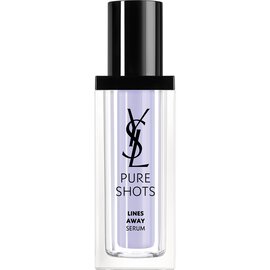

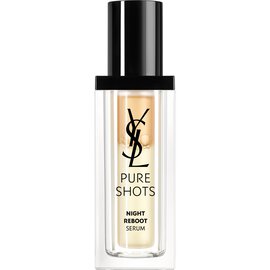
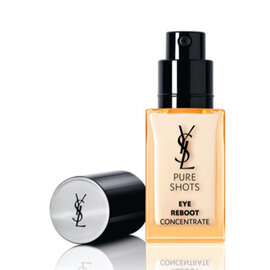
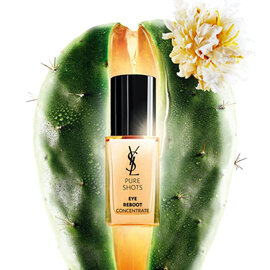
Pure Shots Eye Reboot Concentrate
THE NEW CREAM-TO-SERUM EYE SHOT FOR ELECTRIC GAZE. AWAKENED. BRIGHTER. YOUNGER.
DISCOVER MORE SKINCARE ADVICE

.png?sw=1440)
.png?sw=1200&sh=1200&sm=cut)
